







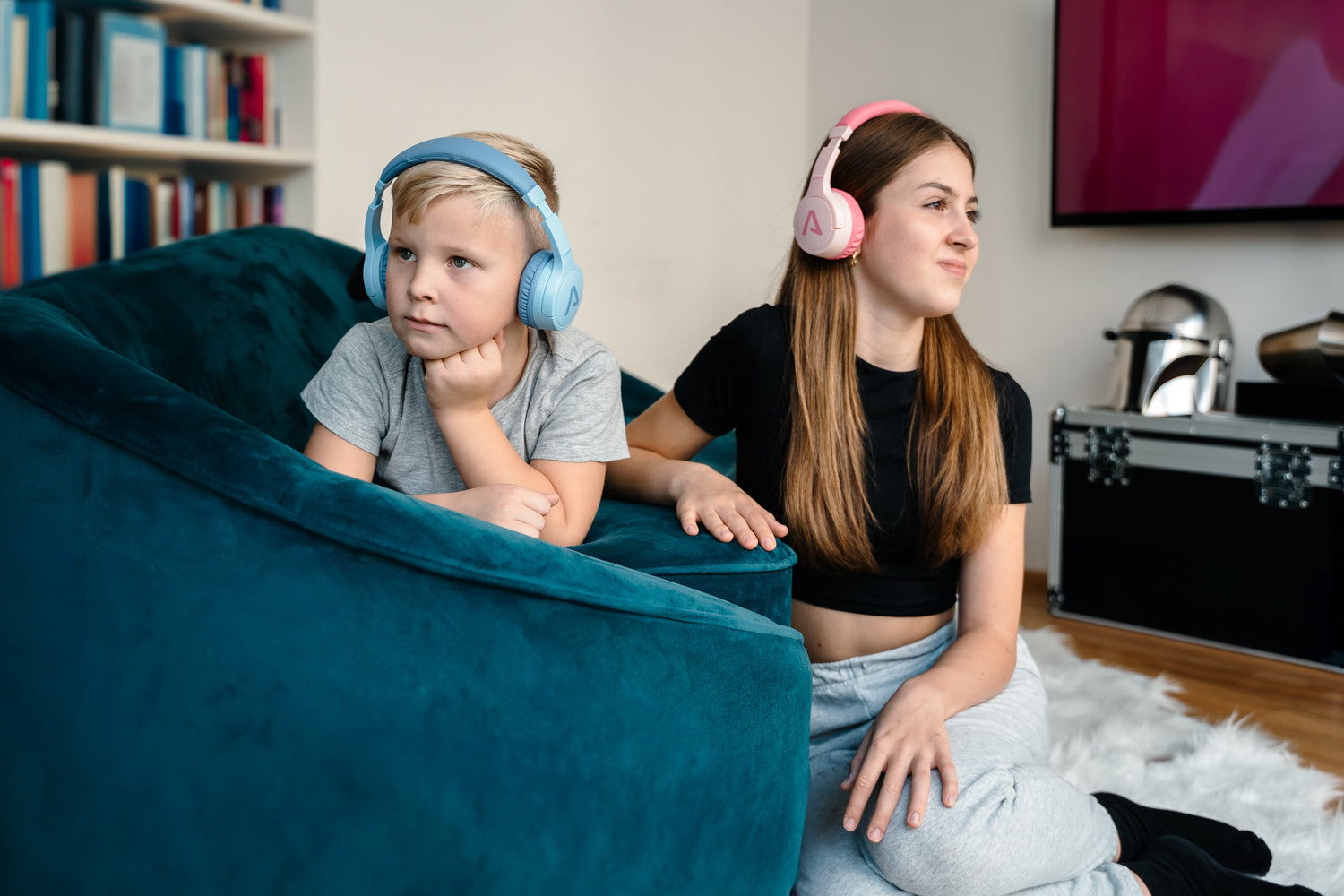
Dzisiejsze dzieci słuchają więcej dźwięków niż kiedykolwiek wcześniej. Tablety z bajkami, YouTube, gry lub muzyka w słuchawkach. Wszystko to jest całkowicie normalną częścią ich dnia. I nie tylko w domu. Coraz więcej rodziców zabiera dzieci na koncerty lub festiwale.
Ale słuch dzieci jest bardziej wrażliwy niż słuch dorosłych. Nie oznacza to, że musisz pozbawić ich muzyki i doznań dźwiękowych. Wystarczy przestrzegać kilku prostych zasad. Sprawdź nasze wskazówki.
Dlaczego ochrona słuchu dzieci ma znaczenie
Uszkodzenie słuchu nie następuje z dnia na dzień. W wielu przypadkach jest spowodowane długotrwałym narażeniem na dźwięki, które są po prostu zbyt głośne. A głośność to coś, co każdy rodzic powinien przynajmniej trochę kontrolować. Dzieci zwykle nie podchodzą do ciebie, mówiąc, że coś jest zbyt głośne i prosząc, by ściszyć. Znacznie zabawniejsze jest podkręcenie głośności na maksimum.
Długotrwałe obciążenie słuchu może wpływać nie tylko na sam słuch, ale także na koncentrację lub zdolność przetwarzania dźwięków w codziennym życiu. Więc to zdecydowanie coś, na co warto zwracać uwagę.
Kiedy zdarza się to najczęściej (i rodzice nie zauważają)
Może cię zaskoczyć, że ryzykownymi sytuacjami często nie są głośne koncerty. W wielu przypadkach to całkowicie normalne codzienne chwile, które na pierwszy rzut oka nie wyglądają na problematyczne. Problem polega na tym, że powtarzają się raz po raz.
Brzmi znajomo?
- dziecko oglądające bajki w słuchawkach przed snem
- długie podróże samochodem lub samolotem z tabletem
- gry grane na maksymalnej głośności, bo tak po prostu jest zabawniej
- dzielenie się jednym urządzeniem między wieloma dziećmi
- słuchanie bez przerw przez godzinę lub nawet dłużej

Prosta podstawowa zasada: zasada 60/60
Słyszałeś o zasadzie 60/60? To jeden z najczęstszych sposobów na utrzymanie bezpiecznego słuchania i unikanie nadmiernej głośności.
Zasada jest prosta:
- maks. 60% głośności
- około 60 minut słuchania jednorazowo
Chodzi o to, by dać uszom krótką przerwę. Słuch dzieci może się zregenerować, a kolejna sesja słuchania może pozostać wygodna i bezpieczna.
Słuchawki dla dzieci, które pomagają kontrolować głośność
Oczywiście zasady czasem łatwiej złamać niż przestrzegać 😊 Tu wkraczają słuchawki dla dzieci z ograniczeniem głośności. Zapobiegają, by dźwięk wykraczał poza bezpieczny poziom, więc dzieci mogą słuchać bez ryzyka podgłośnienia.
Słuchawki takie jak LAMAX BaseKid1 i LAMAX SoundKid1 są zaprojektowane dokładnie w tym celu.
Oba modele:
- zawierają ograniczenie głośności dla bezpiecznego słuchania
- są wygodne nawet podczas dłuższego użytkowania
- radzą sobie z codziennym użytkowaniem w domu i w drodze
- są dostępne zarówno w wersji różowej, jak i niebieskiej, by dzieci mogły wybrać swój ulubiony
LAMAX BaseKid1: Świetna opcja do bezprzewodowego słuchania w podróży, w szkole lub w domu.
LAMAX SoundKid1: Te słuchawki oferują proste przewodowe połączenie i łatwe sterowanie, z którym poradzą sobie nawet młodsze dzieci.

Na co zwracać uwagę przy wyborze słuchawek dla dzieci
Kontrola głośności jest ważna, ale nie jest jedyną rzeczą do rozważenia. Jeśli wybierasz teraz słuchawki dla swojego dziecka, miej oko też na kilka innych rzeczy:
- wygodne dopasowanie (dzieci rzadko używają ich tylko przez 10 minut)
- proste sterowanie bez skomplikowanych ustawień
- trwałość, która znosi codzienne użycie przez dzieci
- ograniczenie głośności jako podstawowa funkcja bezpieczeństwa
I bądźmy szczerzy. Dzieci nie wybierają słuchawek na podstawie specyfikacji technicznych. Wybierają te, które im się podobają i które są wygodne.
Jak pomóc dzieciom budować zdrowe nawyki słuchania
Zasady i technologia są pomocne. Ale nawyki mają taką samą wagę. Dobra wiadomość jest taka, że zdrowe nawyki słuchania są w rzeczywistości dość łatwe do ustalenia.
Na przykład:
- rób regularne przerwy podczas słuchania
- nie noś słuchawek przez cały dzień
- unikaj maksymalnej głośności, zwłaszcza w hałaśliwym otoczeniu
- równoważ czas słuchania z czasem offline
Nie chodzi o zakazywanie słuchawek. Chodzi o stworzenie zdrowej równowagi, która działa na dłuższą metę.

Jak rozpoznać, kiedy coś może być nie tak
Jest kilka znaków, na które warto zwrócić uwagę:
- dziecko często zwiększa głośność
- mówi „nie słyszę”, mimo że inni słyszą dobrze
- narzeka na dzwonienie w uszach
- staje się drażliwe lub zmęczone po dłuższych sesjach słuchania
To zwykle moment, by zacząć zwracać uwagę i nieco dostosować nawyki słuchania.
Zacznij, zanim stanie się to problemem
Ochrona słuchu dzieci nie polega na psuciu im zabawy. Wręcz przeciwnie. Polega na zapewnieniu, że mogą cieszyć się muzyką, opowieściami i grami przez wiele lat.
Dodaj kilka prostych nawyków i odpowiednie słuchawki, a naprawdę nie musisz się tym zbytnio martwić. Dzieci mogą cieszyć się muzyką, bajkami i grami bez niepotrzebnego ryzyka, a ty możesz pozostać zrelaksowany, wiedząc, że ich słuch jest chroniony.