











Lato minęło, trampki zniknęły gdzieś w szafce na buty, a ostatniego biegu już nawet nie pamiętasz. To już taka letnia klasyka. Najwyższy czas nabrać tempa! Jesień to bowiem najlepsza pora roku na powrót do biegania. Tylko uważaj, żeby już w pierwszym tygodniu nie popełnić błędu, jak większość biegaczy.
Dlaczego jesień jest idealna na start?
W chłodniejszej pogodzie biegnie się lepiej niż w letnim upale. Co więcej, jesienią odbywa się jeden bieg za drugim, więc bieganie jest wszędzie wokół i łatwiej dać się ponieść atmosferze. Krótko mówiąc, nie znajdziesz lepszej pory roku na pierwsze kilometry.
Największy błąd nowicjusza? Zbyt gwałtowny start.
Entuzjazm to świetny sługa, ale kiepski pan. Pierwszy bieg kusi, by wystartować szybko i biec na maksa, dopóki się da. Świadomość tego przychodzi następnego dnia. Sztywne nogi, wyczerpanie i ochota, by wrzucić buty z powrotem do szafy.
A przecież wystarczy naprawdę niewiele. Biegać wolniej i nie biegać codziennie. Ciało dopiero przyzwyczaja się do obciążenia, a stawy i ścięgna muszą nadążyć za głową, która najchętniej od razu dałaby piątkę. Nie lekceważ tego. To właśnie tempo decyduje o tym, czy pozostaniesz przy bieganiu, czy po tygodniu znowu to porzucisz.

Jak rozpoznać, że biegasz wystarczająco wolno
Istnieją na to dwa proste kryteria.
Mowa – biegaj na tyle wolno, by móc przy tym rozmawiać. Jeśli sapiąc, nie jesteś w stanie wypowiedzieć nawet jednego zdania, zwolnij. Nazywa się to tempem konwersacyjnym i jest to jedna z najlepszych sztuczek pozwalających zwolnić.
Tętno – większość biegaczy-amatorów kieruje się właśnie nim, ponieważ samo samopoczucie bywa mylące. Ogólną górną granicę oblicza się jako 220 minus wiek. Jest to jednak tylko wartość orientacyjna. Na początku trzymaj się raczej niższych wartości, w spokojnym zakresie aerobowym, gdzie organizm pracuje, ale ty jeszcze nie sapiesz jak lokomotywa.
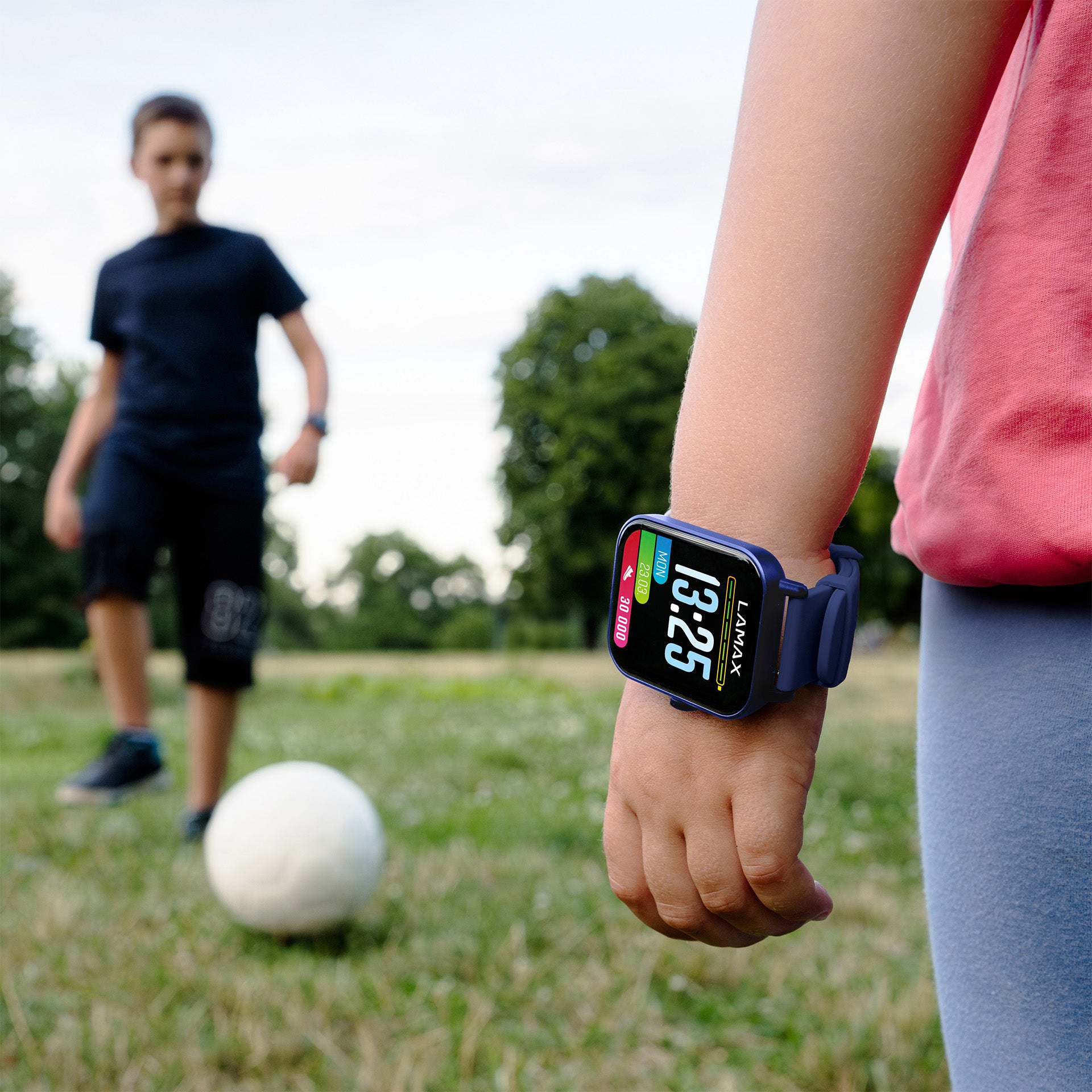
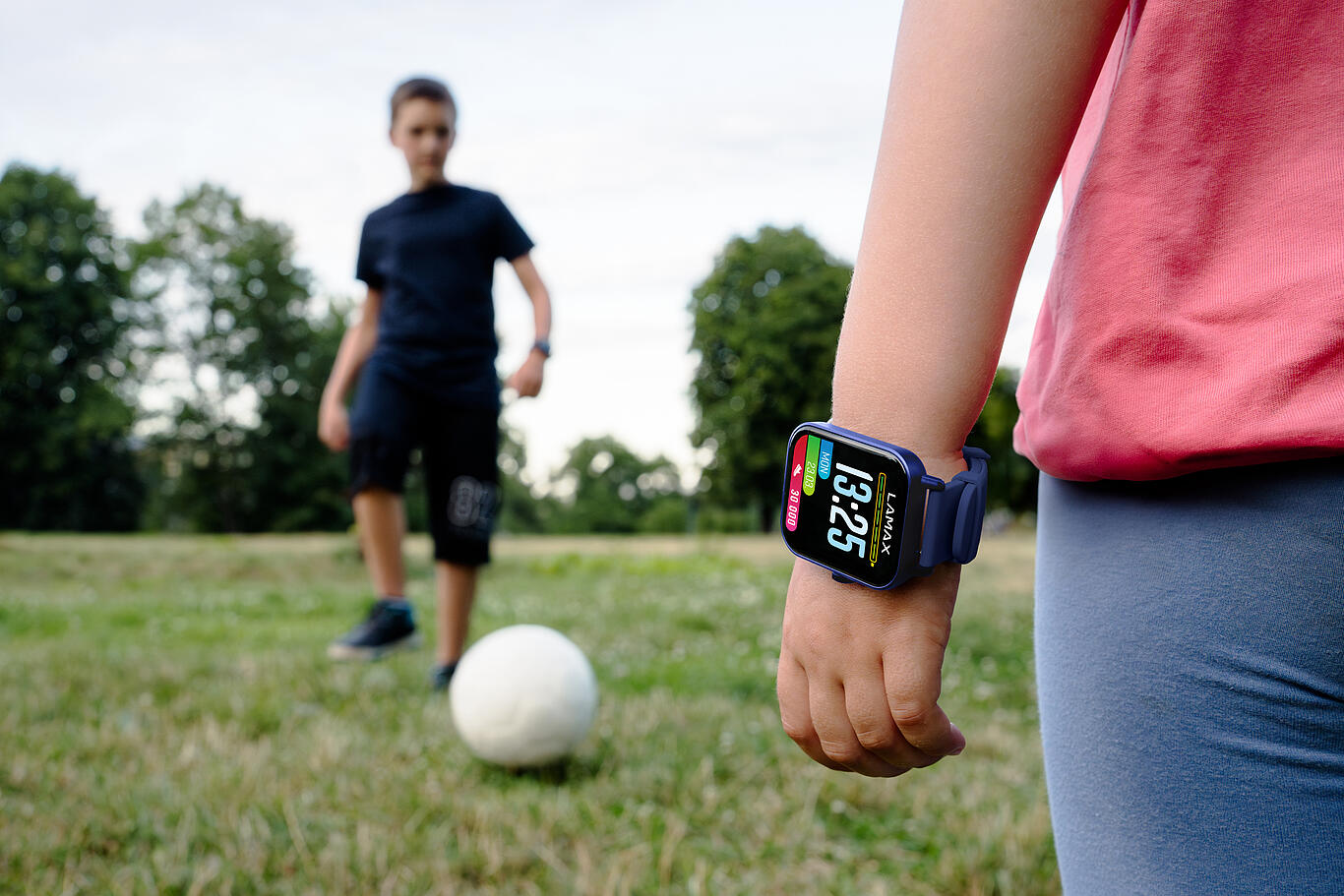
I właśnie tutaj przydadzą się inteligentne zegarki LAMAX Prism AMOLED smartwatch. Podczas biegu tętno widzisz bezpośrednio na nadgarstku, dzięki czemu możesz potwierdzić swoje odczucia liczbą. Gdy tętno gwałtownie wzrośnie, od razu to zauważysz i zwolnisz tempo, zanim cię to powali. Wybierzesz bieg spośród ponad stu trybów sportowych, włączysz i ruszasz. Nie kontrolują cię. Dają ci informację zwrotną, dzięki której biegasz mądrzej.

Dzień wolny to też trening
Początkujący mają tendencję do biegania codziennie, ale to błąd. Mięśnie rosną podczas odpoczynku, a nie podczas biegania. Zafunduj sobie dzień lub dwa wolnego i przede wszystkim dobrze się wyśpij.
Monitorowanie snu i poziomu stresu to właśnie to, co docenisz w smartwatchu również poza treningiem. Analiza snu pokaże ci nie tylko jego długość, ale także jakość. Dzięki temu rano od razu wiesz, czy powinieneś przyspieszyć, czy zwolnić tempo. Pamiętaj jednak, że dane mają sens tylko wtedy, gdy nosisz zegarek przez cały czas. Dlatego w zestawie znajdują się dwa paski: sportowy do biegania i odporny na pot oraz elegancki, pasujący do każdego stroju. Dzięki temu możesz nosić zegarek na ręce zarówno w pracy, jak i podczas wieczornego drinka.

Ciemność to żadna wymówka
Jesienią ciągle jest ciemno. Rano, zanim wyruszysz do pracy, i znowu, kiedy wracasz. Dlatego zadbaj o to, by być widocznym. Elementy odblaskowe powinny znajdować się tam, gdzie ruch jest największy – na kostkach i nadgarstkach, a latarka czołowa przyda się nawet w mieście, bo nie każdy zakątek jest oświetlony. Przy drogach zostaw głośną muzykę i słuchawki w domu. Musisz słyszeć, co dzieje się wokół ciebie.
Brakuje ci motywacji? Wyznaczaj sobie małe cele. Zamiast stawiać sobie za cel przebiegnięcie 20 kilometrów w ciągu miesiąca, postaraj się biegać 3 razy w tygodniu. Regularność jest ważniejsza niż jednorazowy wysiłek. A kiedy naprawdę nie masz na to ochoty, umów się z kumplem lub dołącz do grupy biegaczy. We dwoje biegnie się lepiej, a trudno jest wymówić się na pogodę, gdy ktoś na ciebie czeka.
Często zadawane pytania
Jak szybko powinien biegać początkujący? Początkujący powinien biegać w tempie pozwalającym na swobodną rozmowę, czyli na tyle wolno, by podczas biegu bez trudu wypowiedzieć całe zdanie. Orientacyjnie jest to spokojny zakres aerobowy, wynoszący około 60–75 procent tętna maksymalnego. Jeśli sapiesz, biegniesz za szybko.
Ile razy w tygodniu biegać na początku? Na początku wystarczą dwa do trzech biegów tygodniowo z jednym dniem przerwy pomiędzy nimi. Ciało potrzebuje czasu, aby przyzwyczaić się do obciążenia mięśni, stawów i ścięgien. Codzienne bieganie to pewna droga do kontuzji, a nie do szybszych postępów.
Jak rozpoznać, że przesadzam z treningiem? Klasycznym sygnałem jest poranne tętno spoczynkowe wyższe o około dziesięć uderzeń w porównaniu z normalną wartością. Do tego dochodzi gorszy sen i zanikająca chęć do biegania. Jeśli to zauważysz, zmniejsz tempo i objętość treningu, zanim dojdzie do kłopotów.
Czy do biegania potrzebuję smartwatcha? Nie jest konieczny – możesz zacząć biegać nawet bez niego. Pomoże ci jednak kontrolować tętno i tempo, a to właśnie najczęstsza przeszkoda na początku. Jeśli biegasz wyłącznie na wyczucie i przesadzisz, zegarek da ci sygnał zwrotny, zanim pojawi się ból.
Buty do biegania przy drzwiach, a nie w szafie
W bieganiu nie chodzi o to, by być najszybszym. Chodzi o te dwadzieścia minut, kiedy wyłączasz myśli, zapominasz o e-mailach i słyszysz tylko własny oddech i kroki. Zacznij spokojnie, uzbrój się w cierpliwość i pozwól ciału się przyzwyczaić.