


Hit wildlife and the police aren't coming? What to call, photograph and record so your insurer believes what happened. A step-by-step guide.
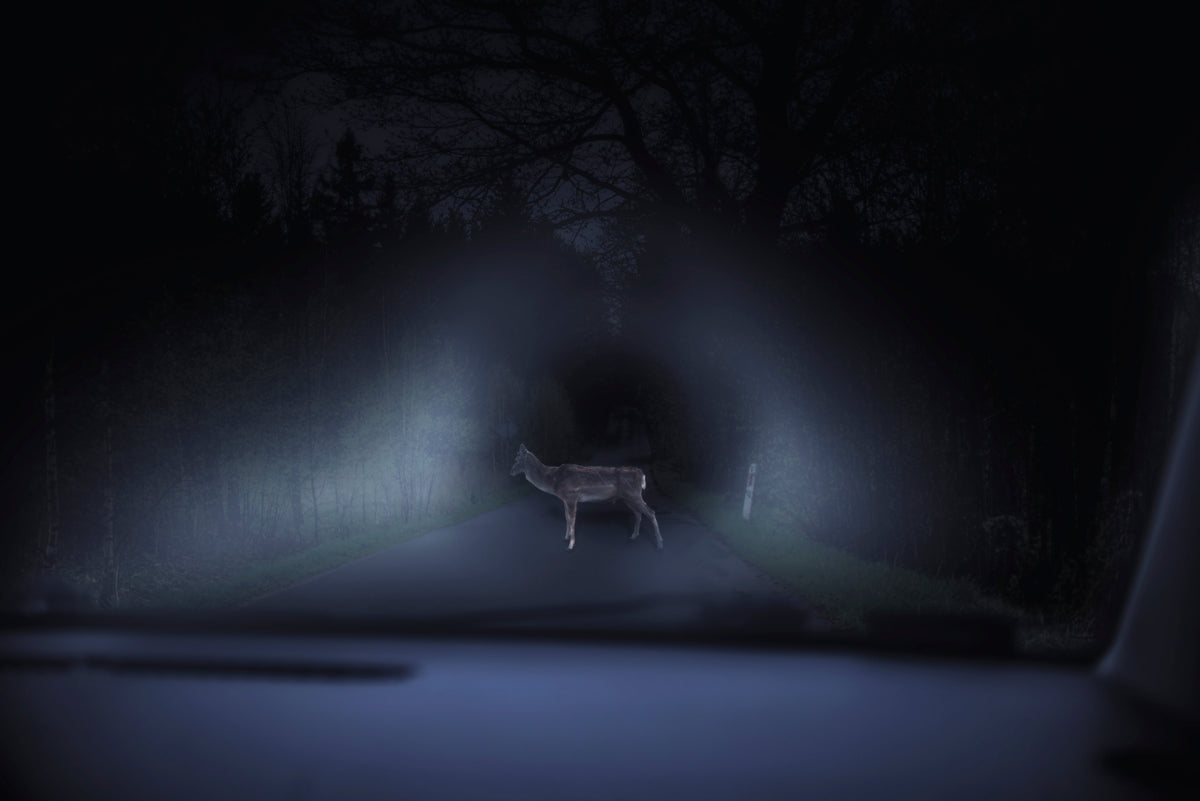
You're driving home at dusk, and suddenly... a deer. Brake, impact, silence. The animal vanishes into the field, but the front of your car is crumpled and you're standing on the shoulder with no idea what to do.
This happens more often than you'd think. According to the latest SRNA index, more than 18,000 wildlife collisions were recorded in Czechia between October 2025 and March 2026, and October and November are usually the worst months. Since spring 2025, the police often no longer turn up at these incidents. That leaves the evidence and the paperwork to the driver.
Who to call, what to photograph, and what does your insurer need to believe what happened? Keep reading.
1. Call 158 straight from the scene
Don't wait around. Call from the roadside, not from home. The operator logs the incident and decides whether to send a patrol. Often, they won't.
They'll then point you to a form called Žádost o potvrzení o oznámení události (a request for confirmation that the incident was reported). You send it by email or data mailbox to the regional police directorate for the place where the collision happened, and processing takes a few working days. Insurers usually ask you for it.
And a word of warning. The police only confirm what was reported to them. If you don't call right away, they can't issue anything afterwards.
If someone is injured or the car is blocking the road, call right away and a patrol will come.
2. What to photograph when it's dusk
The police won't come, so the documentation is up to you. We get that a photo at dusk won't be great, but give it a try anyway.
You need a wide shot of the scene, the damage to the car from several angles, marks on the road and the surroundings. At least one photo should show both the damage and the licence plate. Write down the exact location and the contact details of anyone who drove past.
If the animal is injured and stayed where it fell, photograph it from a safe distance. But never touch it or take it away. That's poaching. Did the animal run off? Tell the 158 operator which way it went, so hunters can track it down.

3. When you swerve to avoid the animal
BESIP, the Czech road safety council, advises braking and not trying to avoid a head-on impact by yanking the wheel. The consequences of hitting a tree or another solid obstacle can be much worse. But it happens. You swerve, miss the animal and end up in a ditch. And this is where the unpleasant part starts.
A wildlife collision add-on usually applies to direct contact with the animal. So the insurer can argue that no collision took place and that the car simply left the road. Comprehensive insurance may cover the damage after swerving, depending on your contract. On top of that, there's no blood or fur on the bonnet, and the deer has disappeared into a cornfield. Your word stands against nothing.
A witness, photos of the surroundings and camera footage will help.
4. What a dash cam needs to do for its footage to be worth anything
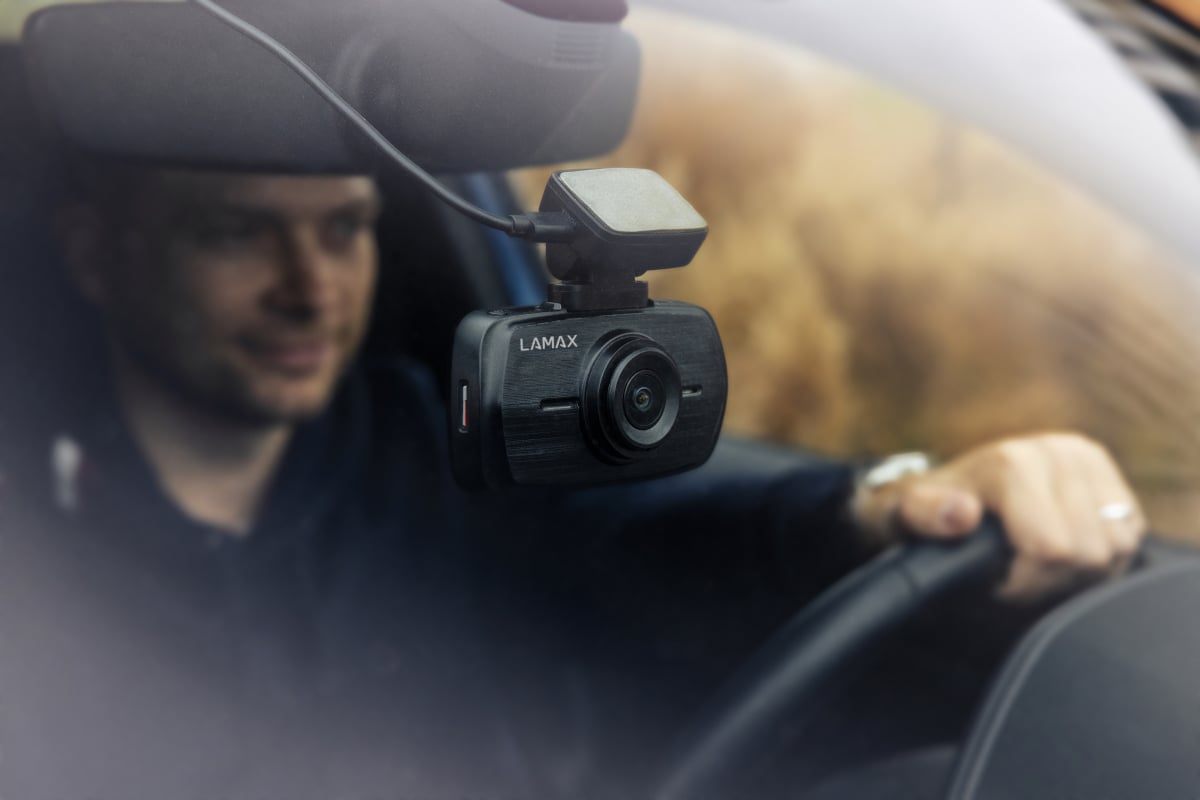
A dash cam is an ideal witness. It never leaves and never twists the story.
But the insurer wants the correct date and time on the recording, ideally coordinates too, and no editing. You don't need to send an hour of driving, just the stretch where it happened. So choose your camera accordingly.
Start with the time. A wrong date in the corner of the video gives the insurer a reason to doubt. Make sure the timestamp is switched on and that it adjusts after the change to summer or winter time.
The second thing is the lock. Loop recording overwrites the oldest files after a while. You want a camera where the G-sensor locks the clip on impact by itself and where you can lock it manually too. A bigger memory card means the loop comes back around later.
Then light. Most collisions happen at dusk, so a camera that handles darkness only on paper won't help. Look at sample footage shot at twilight and look for WDR, which balances the contrast between light and dark.
And speed, which cuts both ways. Speed and location recorded in the video help if you were driving sensibly. If you weren't, they'll help the other side more. That's fair, but good to know.
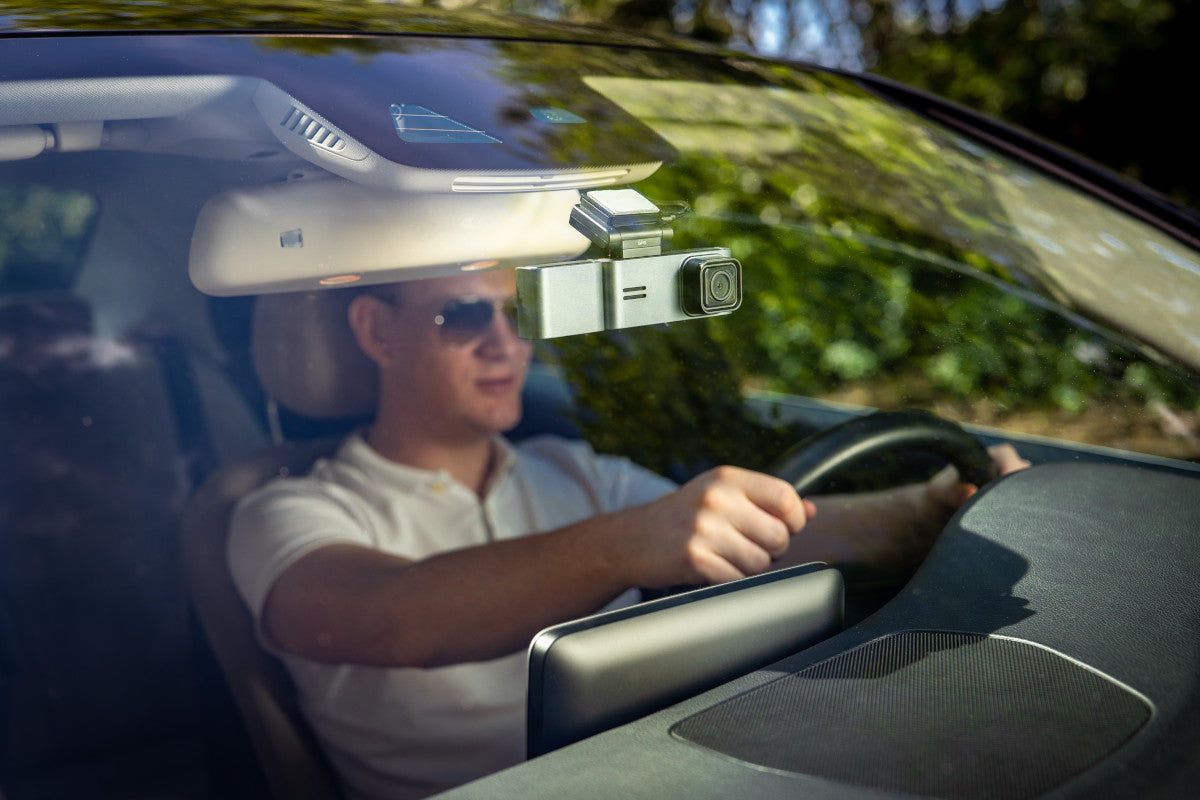
From our range, two cameras fit the bill. LAMAX T8 covers the basics: 2K video, WDR, a G-sensor with recording protection, and a timestamp in the video that you can switch on. LAMAX C11 GPS 4K can also write speed and coordinates into the video, switches between summer and winter time by itself, and lets you lock a recording with one tap on the display. It records in 4K.

5. Two things people forget
Hunters won't pay for your car repair. Wild game has no owner who would be liable for damage to your car. It works the other way round, though. The Czech Hunting Act gives the hunting ground operator the right to claim compensation for the animal if the driver caused the collision by breaching a duty, for example by driving too fast. The collision alone doesn't prove that. Don't accept such a claim right away and report it to your insurer.
And footage doesn't belong on social media. You can hand it to the police or your insurer. You mustn't share it, even if it looks like it could earn a few thousand likes. It shows strangers and licence plates.
6. Car checklist
All in one place, in case your mind goes blank in the moment.
✅ Call 158 from the scene
✅ Photograph the overall scene, the damage, the licence plate and the surroundings
✅ Note down the location and contact details of witnesses
✅ Lock the camera footage and don't edit it
✅ Leave the animal alone and don't take it away
✅ Report the damage to your insurer and attach the police confirmation

FAQ
Should I call the police after a wildlife collision? Report a wildlife collision to 158 right from the scene, otherwise the police won't issue the confirmation for your insurer. The operator decides whether to send a patrol. If not, you request the confirmation with a form sent to the regional police directorate. If someone is injured or the road is blocked, the police will come to the scene.
Will dash cam footage help with my insurer? Insurers accept dash cam footage as supporting evidence if it shows the correct date and time and hasn't been edited. It doesn't replace the police confirmation, though. Send the stretch where the collision happened, not the whole drive, and keep the original file.
Will my insurer pay if I swerve to avoid an animal and hit something else? A wildlife collision add-on usually covers only direct contact with the animal, so damage after swerving may be covered only by comprehensive insurance. It depends on your contract, so read it in advance. Camera footage can help show that the animal really was on the road.
A dented car can be fixed
After a wildlife collision, most people first wonder whether the deer survived. That's normal, and it's the right instinct. The paperwork can wait those few minutes. Then call right away, photograph everything and head home. Everything will be okay.

